
A lesson on the food cost for my commercial cookery student with examples
Our AI Chef Says
Understanding food costs is crucial for anyone in the commercial cooking industry, as it directly impacts profitability. Here’s a lesson plan you can use with practical examples for your commercial cookery students.
### What is Food Cost?
Food cost refers to the total cost of all ingredients used to prepare dishes. It's usually expressed as a percentage of sales and is vital for determining menu pricing and managing a restaurant's profitability.
### Key Components of Food Cost:
1. **Ingredient Costs**: The cost of raw materials used in dishes (e.g., meat, vegetables, spices).
2. **Portion Sizes**: Understanding how much of each ingredient is used in each serving is essential.
3. **Waste**: Calculate the waste generated during preparation, as this impacts the overall cost.
4. **Overhead Costs**: These can include indirect costs associated with food preparation, such as utilities and labour, although they are not typically included in the food cost percentage.
### Calculating Food Cost Percentage
The formula to calculate food cost percentage is as follows:
\[ \text{Food Cost Percentage} = \left( \frac{\text{Total Cost of Ingredients}}{\text{Total Revenue from Sales}} \right) \times 100 \]
### Example Breakdown
**Menu Item: Spaghetti Bolognese**
1. **Ingredients**:
- Spaghetti: $1.00 (per serving)
- Ground Beef: $2.50 (per serving)
- Tomato Sauce: $0.80 (per serving)
- Onions & Spices: $0.70 (per serving)
**Total Cost per Serve**: $1.00 + $2.50 + $0.80 + $0.70 = $5.00
2. **Menu Price**: You choose to sell Spaghetti Bolognese for $15.00 per serving.
3. **Food Cost Percentage**:
- \[ \text{Food Cost Percentage} = \left( \frac{5.00}{15.00} \right) \times 100 = 33.33\% \]
A food cost percentage of 33% is generally good practice in the restaurant industry; it allows for a healthy margin.
### Keeping Track of Food Costs
Encourage your students to:
- **Use Inventory Management**: Track what ingredients are used and their costs.
- **Regularly Update Prices**: Ingredient prices fluctuate, so regularly update costs to maintain profitability.
- **Minimise Waste**: Train staff on proper portioning and storage to reduce waste.
### Practical Application in a Commercial Kitchen
Denoting how equipment influences food costs can help students understand the significance of their surroundings. For instance, using high-quality kitchen equipment can improve cooking efficiency and consistency, potentially reducing ingredient wastage.
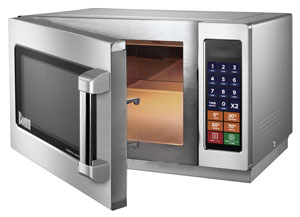
Consider microwaves for quick reheating or prep, such as:
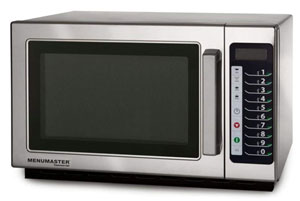
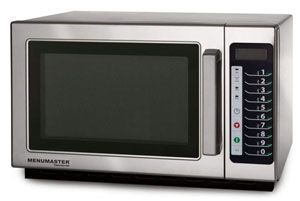
- **Menumaster RCS511TS Light Duty Microwave Oven** ($1,100 Watt, suitable for high-volume use)
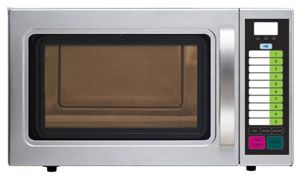
- **Bonn CM-1401G Heavy Duty Microwave Oven** (High Performance 1400 Watt, good for bulk portioning)
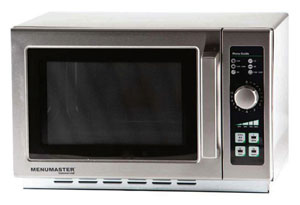
- **Menumaster RCS511DS Light Duty Microwave Oven** (A more cost-effective manual option)
While discussing the equipment, explain how investing in reliable tools not only improves food output but can also help maintain quality, ultimately impacting customer satisfaction and sales.
---
By combining this understanding of food cost with practical experience in the kitchen, your students will develop the financial literacy needed to succeed in the food service industry.
Was this helpful?
0
Ask The Chef A New Question
Need More Help?
Feedback Received
Thank you for your feedback! This helps us improve our knowledge base.